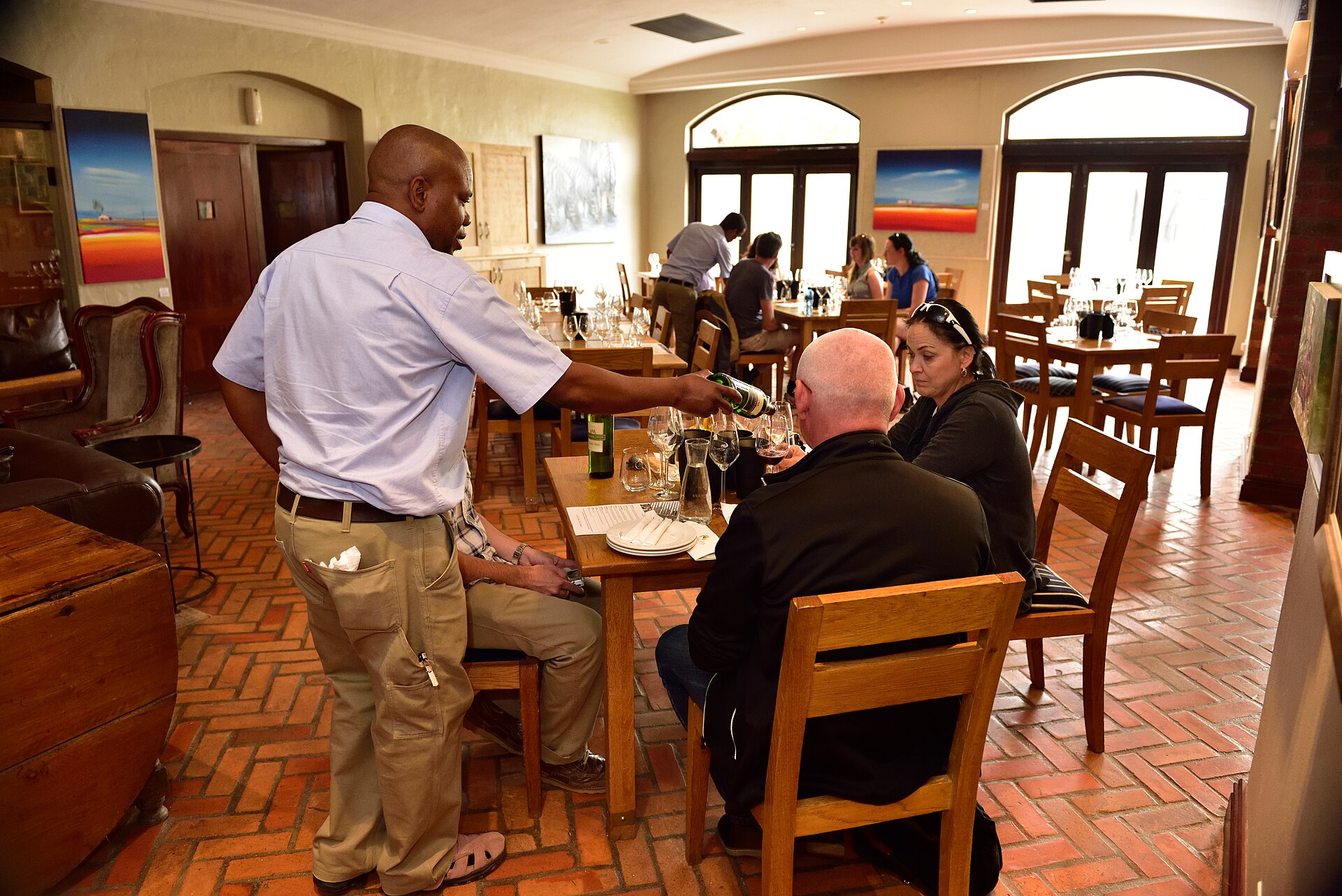
Tasting well is simply paying attention in a repeatable order. There are no points for poetic language and no penalty for noticing something different from the person beside you. Your senses, your memory and a little practice are enough.
Look, but do not over-read
Hold the glass over a pale surface. Notice clarity, depth of colour and the rim. Colour may suggest age or grape variety, but it rarely tells the whole story. A pale red can be powerful; a deep white can still be fresh. Use sight as context, not a verdict.
Smell in two passes
Smell before swirling, then swirl gently and smell again. The first pass catches delicate aromas; the second introduces oxygen and releases more. If nothing comes to mind, start broadly: fruit, flower, herb, spice, earth or oak.
Specific words are useful only when they are honest. 'Fresh red fruit' communicates more than forcing 'Morello cherry'. Aroma memory grows through attention: smell fruit at the market, spices while cooking and flowers in season.
Taste the structure
Take a modest sip and let it move across your mouth. Flavour matters, but structure is what makes a wine feel balanced and helps it work with food.
- Sweetness is tasted most clearly at the start of the sip.
- Acidity makes your mouth water and gives wine freshness.
- Tannin creates a drying grip, especially along the gums.
- Alcohol adds warmth and contributes to body.
- The finish is how long pleasant flavours remain after swallowing or spitting.
Form one useful opinion
Ask three questions: Is it balanced? What is its strongest character? Would I enjoy another glass, and with what? You may admire a wine without loving it, or love a simple wine because it suits the moment. Both are valid judgements.
A confident taster describes what is present, not what they think they are supposed to find.
“The best tasting note is one you understand later. Keep it plain, keep it personal and compare often.”