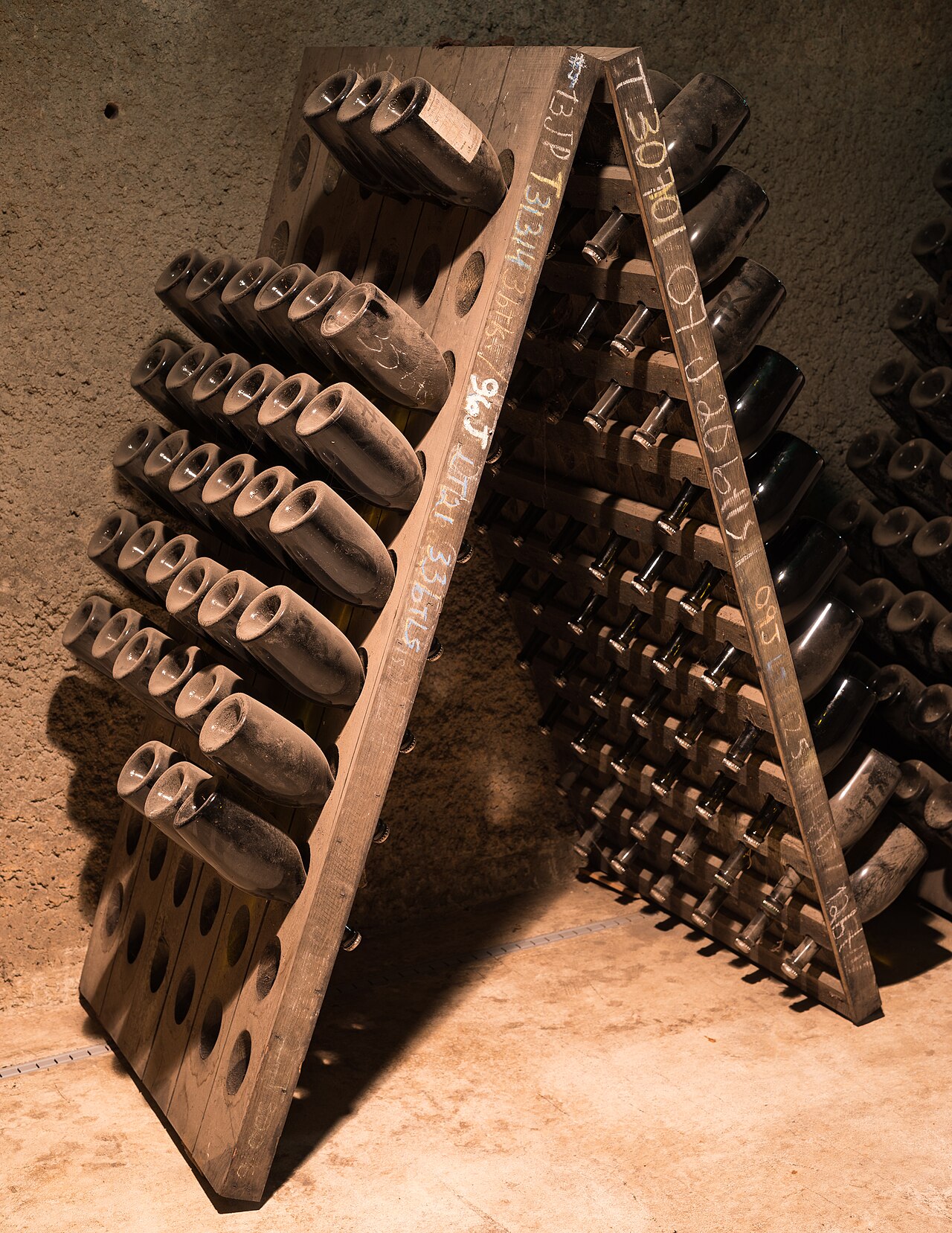
Buying wine becomes easier when you begin with the occasion instead of the label. Decide who will drink it, what will be served and when the bottle will be opened. Those three answers are more useful than chasing scores or prestige.
Buy for a purpose
Set a comfortable budget and describe the role of the wine: an aperitif, a bottle for dinner, a gift, or something to age. In a good shop, offer the merchant a style you enjoyed and one you did not. 'Fresh, dry white under this price for spicy food' is a better brief than asking for the best wine.
Judge the bottle, not the theatre
A heavy bottle, deep punt, famous score or decorative label does not guarantee quality. Look for clear origin and producer information, sound fill level and storage away from strong light or heat. For everyday drinking, recent vintages of fresh whites, rosés and simple reds are often sensible choices.
- Buy one unfamiliar bottle at a time, then record whether you would buy it again.
- Spend more for a clear reason: rarity, careful farming, skilled ageing or a region you value.
- At restaurants, ask about style and freshness rather than trying to decode the list alone.
Store what you have well
Wine dislikes heat, light, vibration and rapid temperature change. For bottles you will drink within months, a dark interior cupboard in the coolest stable part of the home is usually better than a decorative rack. Keep cork-sealed bottles on their side for longer storage. A wine fridge becomes worthwhile when warm conditions are unavoidable or bottles are valuable.
In India, sustained heat is the greatest risk. A steady cool temperature matters more than achieving an exact cellar number.
Build a useful small cellar
Start with twelve bottles you genuinely plan to drink: sparkling wine, crisp and fuller whites, rosé, light and structured reds, one sweet wine and a few duplicates. Duplicates let you follow a wine over time. Label purchases with price and date, and keep a simple list so bottles are enjoyed rather than forgotten.
Know what can age
Most wine is made to be enjoyed young. Wines age well when they have enough acidity, tannin, sweetness or concentration, but ageability is not the same as quality. If you love fresh fruit, opening early may give you more pleasure. The right time is when the wine suits your taste and the occasion.
“A cellar should serve your life, not impress an imaginary guest. Buy thoughtfully, store carefully and open bottles generously.”