Good service does not require a cupboard of specialist equipment. Temperature, air and a clean glass make the greatest difference. Get those three right and the wine has every chance to show well.
Temperature changes everything
Wine served too cold hides aroma and texture; wine served too warm can feel heavy and alcoholic. Sparkling wines and light whites are happiest well chilled. Fuller whites should be cool rather than icy. Light reds benefit from a slight chill, while structured reds are best around a cool room temperature, not the temperature of an Indian summer.
- Sparkling: 6–9°C
- Light whites and rosé: 8–11°C
- Fuller whites: 10–13°C
- Light reds: 12–15°C
- Fuller reds: 15–18°C
Choose a useful glass
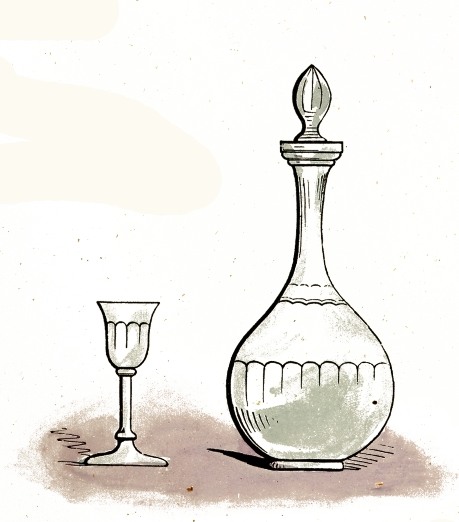
A clear, clean, tulip-shaped glass is enough for almost every still wine. The bowl gives aromas room to gather and the narrower rim directs them towards your nose. Hold by the stem when practical, but comfort matters more than ceremony. Avoid strongly scented detergent or storage cupboards; both can mark the wine.
When to decant
Decant young wine when it seems tight, muted or strongly tannic. A broad decanter increases contact with air; 20 to 60 minutes is often sufficient. For older wine, decant mainly to separate sediment, pouring slowly with a light behind the bottle.
Fragile old bottles can fade quickly, so taste before deciding. If you have no decanter, a clean glass jug works. Even pouring a glass and letting the bottle stand can help.
Decanting cannot repair a faulty wine, but it can help a sound wine become more expressive.
Open, pour and preserve
Cut the capsule below the lip, wipe the neck and extract the cork gently. Pour roughly a third of a glass so there is room to swirl. Recork leftovers and refrigerate them, even reds. Cold slows oxidation; bring the wine back towards serving temperature before the next glass. Most still wines remain enjoyable for two to four days.
“Thoughtful service is quiet hospitality: remove the obstacles, then let the wine and the company take over.”