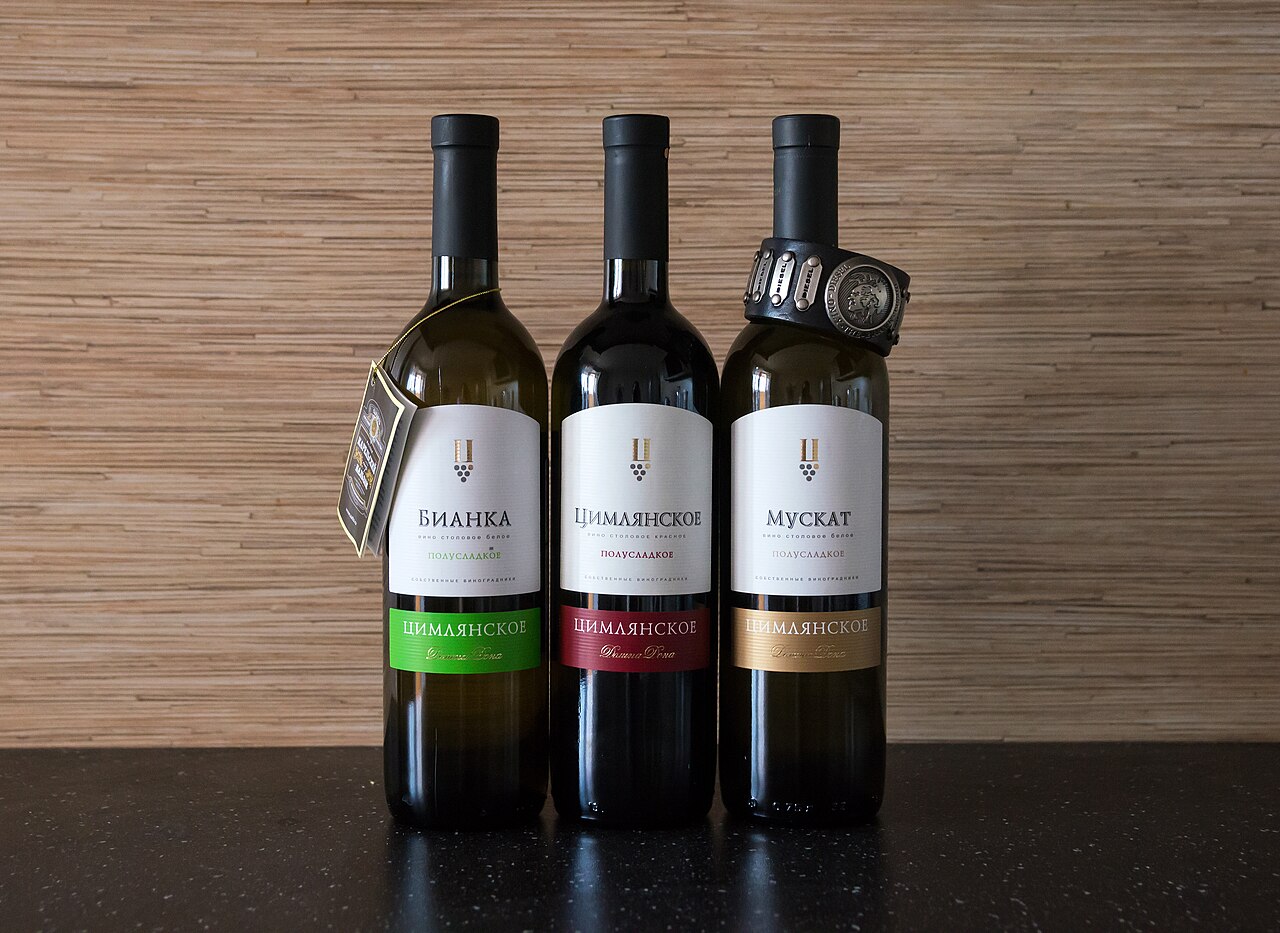
A wine label is not a test. It is a compact map of who made the wine, where it came from and what you can reasonably expect in the glass. Once you know where to look, even an unfamiliar bottle becomes easier to understand.
Start with the loudest words
Most labels lead with one of three things: the producer, the grape, or the place. New World wines often make the grape prominent: think Chardonnay or Shiraz. Traditional European labels are more likely to lead with a region such as Chablis, Chianti or Rioja, because local rules define which grapes and methods belong there.
When the grape is absent, the place is your clue. Chablis is Chardonnay; red Burgundy is Pinot Noir; Sancerre is usually Sauvignon Blanc. You do not need to memorise the wine world at once. Learn the place-and-grape connections for bottles you actually enjoy.
Producer, place and vintage
The producer is the winery, estate or company responsible for the bottle. The place may be broad, such as South Australia, or precise, such as a single vineyard. More precise does not automatically mean better, but it often signals a more specific style and a smaller source area.
The vintage is the year the grapes were harvested, not the year the wine was bottled. Weather makes vintages differ, but producer and storage usually matter more than chasing a celebrated year. Non-vintage wine, common in sparkling wine, blends more than one harvest for consistency.
Read the useful small print
The back label often gives the most practical clues. Look for alcohol, sweetness language, importer details and serving suggestions. Alcohol can hint at body: a 12% red may feel lighter than one at 14.5%, although balance matters more than the number alone.
- Dry means little or no perceptible sweetness; it does not mean harsh.
- Reserve or selection may be legally defined in some regions and pure marketing in others.
- Estate bottled generally means the producer controlled both the grapes and the winemaking.
- Contains sulphites is a standard declaration, not a warning that the wine is unusually processed.
A label promises an origin and a style, not whether you personally will like the wine.
Try it on your next bottle
Before opening, name five facts: producer, origin, grape or expected blend, vintage, and alcohol. Then predict whether the wine will be light or full, crisp or rich. Taste it and see what the label helped you get right. That small loop builds useful knowledge quickly.
“A label is an invitation, not an examination. Read for clues, open the bottle, and let the wine complete the story.”